The Sounds of a City

Poetry

The sounds of a city roar up to the heavens, Sharp screeches and shrill shrieks. Laughter. An ensemble of beeps. Silence. Encore.
A sell out
At a traffic light, faces on loop

Her Frown. His Nod. Their Grin

Red lips .Amber hair. Green eyes.

Red hair. Amber coat. Green skirt

Green light. Amber light. Goodbye.
The galloping of a thousand heels drowns out a homeless quartet; a splash of coins rescues the tethered bark of a starving dog.
The sound of a thousand tips echo across the foreign lips of strangers wishing to help at the maelstrom of all the spitting and swearing. The loneliest of the four pours the tips into a plastic cup and swallows every penny, tangs of copper no more bloody than his trigger finger, a muffled salute to every teen dressed in army green.
His shouts don’t reach the ears of joggers, tuned into each road, carried by the signals of their destination. A thrashing of music fuels a lifetime of laps, a marathon of ignorance. Only the cars that buzz do swarm and serve, yellow, green and blue, red and white.
Black
A helicopters whirls
The sounds of a city roar up to the heavens, Sharp screeches and shrill shrieks. Laughter. An ensemble of beeps. Silence. Encore.

Do I Need a Personal Trainer?

Lifestyle

Nobody likes being told what to do. If you look around the office, in lessons at school or notice people picking each-others form apart in the gym, it goes to show that orders, critique and advice are things that may often be disregarded due to delivery. Orders can often be opposed by reluctance, critique can come both constructively or destructively, advice can be untimely and often, unwanted. These three components have the potential to misinform just as much as motivate, which is why a lot of people misunderstand the role of the personal trainer in the midst of all the egotistical narcissism and one-size-fits-all approach to clients. There are not many people out there that can take criticism comfortably, especially when initially confident in their own ability and experience, in things that may or may not have worked for them in the past. Nobody wants to be told that they don’t know something or what they are doing is completely wrong, but it is their response to such occasions, that will determine whether they will progress or remain somewhat stagnant. Do I need a Personal Trainer? Well, ask yourself these questions…

What are my current goals?

Do these goals require assistance?

Are these goals time-sensitive?

Do I have a clue what I am doing or the direction I need to be going?

Am I doing this exercise correctly?

Am I benefitting proportionately to the amount of effort I am putting in?

It could be a matter of attaining the knowledge from someone else, applying it to your current approach to training and nutrition in order to experiment what works best for YOU. This knowledge can absolutely be attained from the many online outlets and information available on social media, but it can often be difficult to successfully recreate or apply said training advice on your own without the critical eye of someone else. Critical in the sense of aiming to perfect and make the most out of each relevant practice or exercise and not to a fault. Training partners and friends in the gym with a particularly good knowledge or awareness of ‘what’s what’ can be useful in providing assistance with form and work ethic, but not everyone may have this facility. 9/10 there will almost undoubtedly be one person in your group of friends that wants to know or may think that they know the BEST things for you to eat or how to train, but be aware of the possible misinformation. Said advice and application from friends may likely reinforce potentially damaging habits and traits that may have much more of a detrimental effect to your body than it would to theirs.

Ultimately, and this stems from the last question above ‘Am I benefitting proportionately to the amount of effort I am putting in?’ this ratio of benefit:effort if you like, is one that may often be skewed by the sweat scale, in that ‘If I am sweating, it must be doing something right?’ In the grand scheme of things, this isn’t always the most accurate and credible indicator. Could the high effort exerted in one area for something like cardio possibly be channeled into something else to satisfy a particular goal, reaping many more benefits than just fat loss or as I said, obsessing with the calories burned on a treadmill or the buckets of sweat on the floor.

This is most definitely a game of trial and error, thus improvement, failing to recognise the error makes the trial part almost redundant. It has taken me over seven years of trail and error to make considerable progress, see results and recognise what was particularly beneficial and worthy of doing on a regular basis. This wouldn’t have been possible without identifying problem areas, resulting from applying the very theory of sweat as currency, only to be able to buy a few months of results in a year of hard graft.

As much as I should probably try and convince everyone that they NEED a personal trainer in order to progress and see results, be aware that this is not always the case. More often than not, people do have a good base of knowledge, the passion and the work ethic for self improvement but are lacking the confidence to put it all into practice effectively. Do not feel obliged to have to shell out the cost of a gym membership every week just to be put through a good workout, all of the above should come to serve as much more of a priority.  The desire to build up your 1RM on compound movements, consistently reinforce solid technique on lower body exercises for independent training or having a limited time to get beach ready are all short term opportunities that do not require long term financial obligation. Ask yourself all of the above, make a conscious effort to absorb as much knowledge and information from other outlets as possible, but if the answer to the title is going to be YES, do not hesitate to contact the relevant man/woman for the job.

Jake 👊

JAKEDARCYFITNESS 


Injury Prevention & Realistic Goal Setting

Fitness, Lifestyle, Supplementation

Having long-term injuries and facing various other barriers to exercise can certainly be a frustrating hindrance on ones potential goals. Do I take it easy for a few months? How much of my progress is going to be sacrificed during said rest period? What am I actually working towards? These are all questions faced by active individuals, passionate about bettering themselves each day, even if it does not bear further application to a particular sport or goal. Ultimately –and this is something I have come to identify when assessing my own diet and supplementation for the purpose of injury prevention– at some point our bodies will naturally want to start putting the brakes on. Many of us that have an incline to competitive/impact sports even at a non-professional level, will soon have to weigh up the risks and further implications said activity may have in the future.

Although I had dabbled in a number of sports before going to high school, when I was first introduced to Rugby, it seemed all of the traits impeding me in other fields could finally be put to some good use. I was never the most technical player, crediting the entirety of a game on how many big shots I could put on people without getting caught offside, even if that meant getting blindsided nearly even time. In hindsight, even picking up the odd sprain and taking a few bad knocks on the knees was enough to put my training –off the pitch– on hold for a good few weeks, is this really worth it? >The question that has to be applied to almost anything with the potential to pose further complications, moving forward. As I have continued to reiterate the importance of building a solid foundation and consolidating good technique with volume, a similar crossroad has presented itself –go heavier, increased risk of injury? go lighter, increased risk of complacency and plateau? This is the point to which both the egotistical and logical platforms of the brain collide, an outcome determined by whichever system has control.

In relation to creating an ideal environment for the body to withstand stress and recover accordingly, injury prevention is also a matter that can be aided through sound nutrition and relevant supplementation –regardless of whether you’re committed to a particular training regime for a short period or in it for the long hall. Then there’s always pre-emptive approach; wearing knee wraps/sleeves for squats, always incorporating a sufficient warm up and maintaining a fluid range of movement to name just a few staples of good practice. My point resides more so on the side of  planning and conditioning the body for stress, before shocking it into an eventual submission. Meaning that if you aren’t a strength athlete or Powerlifter, prolong the time and weight to which you may only be able to do a handful, for ‘special occasions’ if you like. These will be coming on the back of absolute consistency in all aspects and nothing else. When you look around the gym and observe the expanse of people in all shapes and sizes, notice how their training approach reflects on their physique? The water babies and the monsters? Will repeated and continuous overload do their joints any favours? Probably not. Before we get onto the second point of setting realistic goals, take the time to consider the implications of your particular training method in its entirety; risks as well as benefits, managing them accordingly. If your goal is strength, be sure to factor in de-load weeks, ensure longer rest times between sets and do not let adrenaline warrant training with injuries. On the flip-side, prepare for higher rep ranges and tempos with a relevant warm-up that imitates the more ballistic movements to avoid overloading tendons/joints specifically.

Setting goals for a lot of people is exciting; marking the groundwork for possibilities in ‘X’ amount of days/weeks/months, but setting realistic goals is something that comes with experience of progressive capability and adherence. Plainly put, ‘effective’ goals would never be constructed by averages and guess-work. Bench Press, WEEK1-110/WEEK2-120/WEEK3-130 does not mean that you should be pressing 140 by the following week. As I previously mentioned the implications of adrenaline during such a decision, note that just because you can throw every ounce of strength into the short time of of a rep does not mean that you can lift it correctly. I’ve already narrowed down my readership by now so I know I won’t be offending anyone with this question, Would you rather say you can press 150,badly and look like shit? Or, comfortably rack out reps of even half the amount and continue to see positive changes. This is what it all boils down to, respecting the fact that particular sports and athletes would be required to consistently train heavy to satisfy a particular total, but these guys probably don’t plan on looking like the average dude. In terms of setting realistic weight goals and the time frame in which you expect to be successful, be aware of how losing half a stone one week may not gage your ability to do the same the next. Just as one cannot be expected to add on an additional 10KG  each week working up to a 1RM. The two topics of the title do go hand in hand, in the sense that setting realistic goals, whether that be weight or strength, will alleviate and prevent too much stress being induced by the body, we do only get given one, treat it with respect.

Jake  👊


Sacrifice, Structure & Setting up for Success in 2017

Lifestyle, Uncategorized

January is always a perfect time to consider change. Now –clean slate in hand– finding ourselves much more open-minded to the passing opportunity of general self-improvement, we can once again acknowledge both just how quickly a year can pass and how little we have to show for choices productive or otherwise in retrospect. It’s not until we are faced by a tangible indication; +10 lbs on the scale; -£10 on a bank statement, do we then wonder where things went downhill and reassess the collective contribution to such a point in time rather than just one big lapse of judgement. The first ‘S’ in setting up for success would be the realisation of what aspects of your ‘downtime’ can be considered absolutely necessary in order to plough through monotony. The potential ‘Sacrifice’ should concern that which may be reassessed as excessive, weighing no positive bearing on your quality of life and quite possibly making it unnecessarily problematic. While this may sound like a contradiction in the sense of suggesting a lifestyle change, whereby an entity offering enjoyment is potentially reduced or replaced, the key lies within volume, moderation and managing future dependancy. Volume in that a particular planned amount of X or Y is adhered to more rigorously, whilst being able to justify said amounts across a specified time frame i.e hourly alcohol consumption, daily caloric goal or total weekly amount spent gambling. Moderation in that a week of excess should be followed by at least two weeks of rest –and digest– reiterating the value of enjoyment without a habitual downward spiral to ill-health. Finally, managing future dependancy; being aware of that which is conducive to become habitual, watching the football at home every other week to cut out a day of drinking, eating a piece of fruit instead of drinking a coffee, avoiding certain places or groups of people likely to corrupt your good intentions –yeah thats a hard one–<<

These cover an array of potentially addictive aspects of ones particular lifestyle; from a single habit considered immediately harmful; smoking, to that which can arguably bring both happiness and malcontent in excess, chocolate. So lets take an average day of both working and sleeping for 8 hours, the remaining 8 being the void between work and pleasure; what makes the previous and following day bearable? Is said downtime condensed into the 48 hours of the weekend? Does a 2 day binge come with the cost of another two days? Ultimately, we are told that everything is potentially harmful in some way shape or form; pollutants in the air, chemicals in our water and now light of unsavoury hormones in the milk that we pour on our Corn Flakes. One may drink whisky, eat red meat and live till the next century whilst another may exercise everyday, avoid gluten, not see their 40’s and vice versa. So where does this leave us in retrospect? Cut out the things we enjoy just to warrant a comfy bed and 4 walls of a retirement home or excessively indulge on the things we would take for granted in years to come just to say that we had ‘lived’?

SACRIFICE- to give up (something valued) for the sake of other considerations.

As we find ourselves in the middle of ‘Dry Jan’ –using alcohol as an example– one may attribute abstinence positively –money saved, energy and health replenished– or negatively –overwhelming boredom and the chronic ‘fear of staying in’– presenting us all with our own realisation of either an urge or now dissonance to our potential vices, one which has taken the turn of a New Year to illuminate. As we have previously mentioned the collective contribution of choices as opposed to a single lapse of judgement, it can be said that both structure and habit are genetically linked in their nature to either assist or pollute our routine. That being said, would it be better then to systematically structure inevitable vices and habits into our routine if they cannot be completely removed initially? Focusing solely on the point to which downtime becomes excessive and ‘benefit’ becomes hindrance. I myself have came to realise that as long as you can make a sufficient contribution to change and self-improvement overall, a systematic application of that which may not be considered constructive, on the odd day, wont be enough to hinder your new positive direction. An example of this could be an attempt to exercise in advance to an inevitable session, planning to be active and outdoors on a hungover day, rather than channelling the sloth.

Being aware of justifying aforementioned choices, making conscious decisions to reduce or remove excessive vices and habits completely, is something that does take time. If we look back 12 months are we sitting in the same position, with the same goals and same barriers distorting our view? In another year could we be potentially closer? Highlighting the problem and making those sacrifices which may not provide us with a somewhat immediate alleviator of stress or a proponent of enjoyment, but may collectively contribute to a better quality of life beyond situational and temporary satisfaction.

JAKEDARCYFITNESS 👊


Bingeing, Sugar Intake and Improving Insulin Sensitivity

Lifestyle

If you ask the majority of people what would be the one thing that they are habitually disposed to and/or often succumb to in excessive amounts, it’s always going to be sugar. Going back to the input/output notion of previous posts concerning fat-loss and weight-gain, overconsumption of sugar even alongside what one may arguably consider ‘regular exercise’ could still disrupt the typical routes to which glucose can be sufficiently absorbed and regulated by the body. These routes being either to the liver or a physically stimulated process which replenishes depleted energy stores in the muscle following sufficient exercise, the stored form of glucose being glycogen. Whether you seem to be blessed with a genetic exemption to snacking on mostly quick energy-releasing sugars as opposed to slow release complex carbohydrates without storing the excess, be aware of how such rationale to certain food choices may often instil an array of problems both short and long term, complimentary to the looming dissonance between energy levels and overall mood. 

For someone that either skips breakfast or has a big hit of sugar early on in the day, such a habit may potentially yield further appetite for the typically ‘bad’ calories, thus cultivating both an irregularity of sound and sustainable energy along with an ever looming malcontent. In terms of justifying said calories following a period of starvation, consider how blood sugar takes a similar route as gravity, in that prolonging a gradual ‘ascension’ phase will only make the latter direction much more of a dive than a gradual decline. If we look at a potential negative of the ‘Juicing Craze’ regardless of whether a smoothie is made up predominantly of nutritionally sound vegetables and greens, most that would happen to incorporate the obvious ‘nicer’ fruits regularly into the equation are oblivious to the averse effect high blood sugar may have on Insulin. Insulin –the hormone secreted by the pancreas–  will attempt to stabilize an excess of glucose in the blood, but alike the receptors which regulate the amount of serotonin in the brain, said pathways become overworked, making their once resounding efficacy redundant over time. Insulin resistance, commonplace for someone diagnosed with medical type I Diabetes, may potentially be a likely prospect for an individual inducing similar symptoms through poor diet and lifestyle, the main precursor to often non-hereditary type II.

‘OK I delve a bit too much on the sugar front now and again but I wouldn’t say its as bad as that!’ Well the amount consumed may not be in the range of pre-diabetes and aforementioned medical illnesses anytime soon, but a slow destructive sequence starting with overconsumption and continuing on to an ultimate guilt fuelled binge is equally important to both identify and thus prevent. In a 24 hour period our moods and energy levels fluctuate in respect of the nature of our environment, they determine the important parameters to which we may work or engage in physical activity, eat and sleep. It is these factors which determine Homeostasis, a physiological equilibrium which can be crucial in stipulating the terms of our body’s susceptibility to lose or conversely gain weight. So apart from the obvious solution of eating less sugar even less frequently throughout the day and considering longer-lasting energy sources, what can be implemented to prevent energy crashes and guilt-fuelled sugar binges?

1. More healthy fats – These will delay a sudden rise in blood glucose when combined with certain carbohydrates. We hear of them all the time; nuts, avocado and Extra Virgin Olive Oil being the staple components of the low carb holy trinity if you like, but there are plenty more that are going to ensure a substantial energy reserve for when fuel/food may be scarce at certain points throughout the day. –going overboard and increasing the number of triglycerides in the bloodstream excessively would make the liver resistant to insulin just like sugar– bringing us on the golden ‘M’ of a healthy and sustainable diet.

2. Less restriction, moderation– Unless a caloric deficit or restriction is necessary to your weight loss program or if sticking to certain foods is the only way to stay on track, don’t stress about the odd lapse of judgement unless you know that it would have a detrimental impact on your progress in toto. Factor in foods that you enjoy when applicable, if you take a mile from the initial inch it may set you back a mile.

3. Less caffeine more water– This is definitely one with great relevance to my typical day. Excessive energy drinks both peaking energy and sapping it completely, increasing the likelihood of headaches and possibly dehydration. Along with suppressing natural appetite to a degree, making a meal or eating window less attractive thus decreasing overall satiety.

4. Eating around and for physical activity– Plan out what parts of the day are going to need more energy and effort than others, whether its an exerting gym session or long shift at work, better caloric distribution will optimise both the energy system and overall mood, making you less temperamental and more productive.

5. Satiety not starvation– As we’ve mentioned those who often justify certain bad food choices with earlier skipping of meals, unsubstantial displacement of calories will only prolong further cravings that end in a food coma or in the fridge at 2am. On the flip side, starvation will only make physical exertion more difficult, increase stress and potentially lower your immune system, so choose your eating habits wisely.

Please follow JAKEDARCYFITNESS if you haven’t already,

I will also be taking on new clients in December for online nutritional coaching and personal training so feel free to contact me at @jakedarcy098@hotmail.co.uk or by direct message. 👊


Viral 

Poetry, Uncategorized

VIRAL

A

Very
Incomprehensible 

Reaction,

Altering 

Life
Vulgar entertainment reaping years. 

Impossible necessity? Could one man’s piracy redistribute economy? His end not secured in bleak, limitless entities.
Reducing entertainments application to illicit overt negligence 
Altering liberties that eradicate racial intervention, never guns.
Let it fester excessively, scar the years leering edge. 

Intermittent Fasting for Weight Loss

Lifestyle, Uncategorized

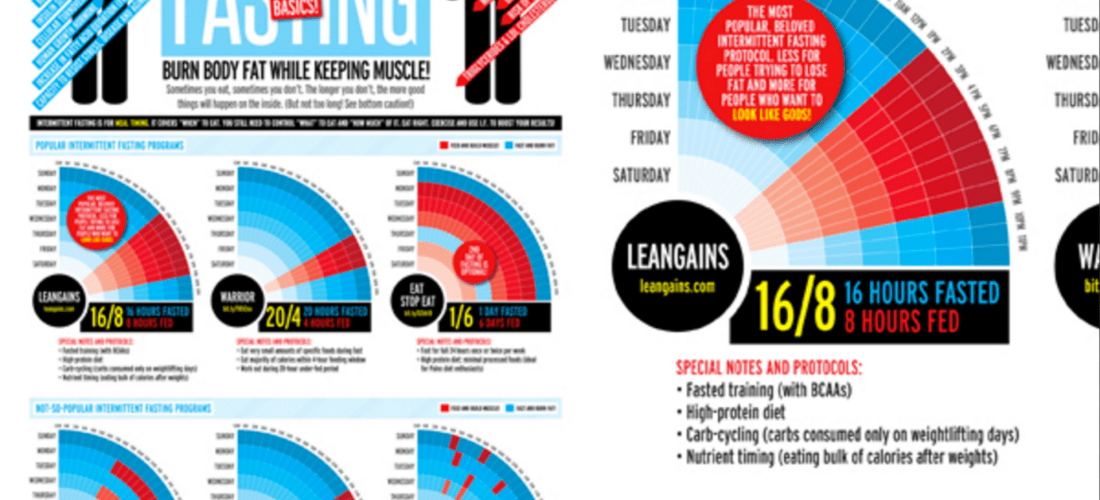
While there are a number of benefits and drawbacks of intermittent fasting, one may consider it a somewhat extreme approach. Due to the duration of a typical ‘fasted’ period, a lot of people may implement I.F into their daily routine without realising, yet it is a term which some namedrop as a means of asserting their knowledge and overwhelming those as though it has been the best kept secret of the last few decades. Ultimately, fasting diets aren’t new to the fitness community, nor should they be packaged and sold to an unsuspecting ‘client’, amongst every other fad and scam, they are just another option for weight loss. For Muslims during this month of Ramadan, fasting will commence at dawn until sunset, making the time in-between a critical period of replenishing the first days energy stores whilst substantially covering the second. The more generic application of intermittent fasting which many athletes and the like endorse with the goal of ‘fasting to utilise fat as energy’ has certainly awarded I.F both intrigue and scrutiny even more so.

The fasted period requires the individual to refrain from consuming anything containing calories. For muslims, water and even chewing-gum must not be touched during said time, yet it is common for the majority of the non-religious to drink water, with an exception of zero calorie drinks –likely containing caffeine– to surpass the initial hunger upon waking or further cravings post-workout. Ultimately, the total calories consumed during the ‘eating’ period total a day like any other, which is often the scepticism of intermittent fasting in toto. Yes, only so much of the nutrients consumed during such a period may be sufficiently absorbed and utilised at once, yet it is often the restriction of intermittent fasting which makes it a valuable tool against the downfall of us all, snacking.

For people that may fast for around nineteen hours and eat for five, the aforementioned restriction will almost certainly delight a smart eater to choose the next foods wisely, one with energy and performance at the mercy of one unfulfilling snack. Consuming foods that are calorically dense will ensure a consistency of energy, as opposed to an incidence of irregular peaks and troughs –see Summer Blues & The ‘Juicing’ Craze— a spike in blood sugar, a crumble to cravings. So what can you expect from a typical day of intermittent fasting? Well it can be said that a lot of people struggle to eat first thing in a morning. Whether this is due to the fact that they can’t stomach food so soon upon waking or preparing breakfast gives them even less time in bed, there must be some relief to missing the ‘most important meal of the day’?

The problem lies with the fact that missing breakfast makes the rest of the day a mere game of catch up. One that may not go down so well for someone that only gets an hour lunch –or even less– whether it’s all day at a desk or one of ‘hard graft’ Blood sugar and cravings aside, the short term reward aspect of food either during a break or at the end of such a day would entice anyone without an ever-looming date requiring them to look their ‘best’ So how could Intermittent fasting solve this problem? Well I myself am not one to eat pre-cooked meals out of tupperware at various inconvenient points in the day, despite the incline to others. I don’t believe this is necessary to satisfy the more generic goal of overall health and weight loss, but alike I.F, it is a systematic approach which reiterates the importance of food choices. The freedom of choice is a concept that most people looking into the lifestyles of those eating to fuel rather than enjoy, burden themselves into the abyss of snack-filled binges. Although it is these times in which we can reassess the value of foods, now that only the initial enjoyment has any bearing, to a diminishing course of habit.

Fasting reinforces the value of foods that may not be deemed necessity, and highlights the inconvenience of foods containing redundant or ‘sabotaging’ macros, yielding only a short term relief in a 24 hour period. Said macros may total one’s overall caloric intake, yet may still be a fraction of the nutrients required to support a demanding workout routine or busy lifestyle in general. All in all, intermittent fasting is a useful tool for those who tend to eat later on in the day, and can appreciate the fact that snacking as opposed to consuming substantial meals is often a familiar occurrence.

For anyone that’s interest here’s an illustration of the typical fast/feed splits of Intermittent fasting, use at your pleasure or at your peril.

Screen Shot 2016-06-13 at 23.55.05.png

Please follow me on IG  👊

JAKEDARCYFITNESS

What is Carb-Cycling?

Lifestyle
By now we’ve covered the main dietary practises which contribute to changes in body composition; ‘lean bulking’, which consists of strict caloric control in a surplus –the point that proceeds maintenance– and ‘cutting’, a gradual reduction of carbohydrates, when completely necessary. So just like the need to reinforce a reduction of carbohydrates with healthy fats to ensure sound energy levels, it is equally essential to refuel the now depleted glycogen stores as a result. Carb cycling is one of the many methods used by bodybuilders and professional athletes that need to ‘make weight’ without sacrificing energy and thus performance. It supports meticulous manipulation of macronutrients to such a degree that it acts in similar ways to that of sodium and water manipulation, a progression that may seem extreme to the everyday dieter, yet it is highly effective nonetheless.
Now depending on how much one may aim to lose and whether or not carb cycling is absolutely necessary, it is a process that requires consistency. Most people tend to split a week into days of eating either ‘low’, ‘medium’ or ‘high’ carb. This is an attempt to utilise potential fat stores as energy during ‘low’ days, to then maintain the foundation and preserve as much muscle as possible during the remainder. The extent to how much muscle –as opposed to fat–  is used as fuel is a fear know as going ‘catabolic’ the antithesis of ‘anabolic’ a notion bearing yet another marketing upheaval for ‘post workout’ supplements and the like. Ultimately, and this is assuming that you have a somewhat solid foundation of muscle to begin with, you probably won’t be going ‘catabolic’ you just won’t be looking as full on less carbs and therefore less water. Recognising that this process will do exactly that whilst being able to sustain on less fuel without re-carbing at every opportunity, will provide a visual bearing on potential weight loss in the days that follow. If you can imagine someone that is preparing for a photoshoot or stepping on stage for a competition, one that requires the individual to be in ‘peak’ condition, it would have required a long process of looking nothing like what you see in pictures to obtain the eventual desired outcome. In this regard, if you’re considering carb-cycling in conjunction with physically demanding sports or training programmes, be aware to prioritise the bulk of your macronutrients around days that require optimal effort.
There’s no magic number when it comes to ‘low’ days, and almost every initial carb-cycle is complete trial and error. Depending on the goal and the time frame in which this is to be ascertained, one may implement three, four or even five consecutive low days followed by a ‘re-feed’ –high day– For the most part, ‘re-feed’ days assists specific points in a diet which may have progressed to lower numbers, granting both a physio’ and psychological break from quite simply, systematic malnourishment. This is not the same as a ‘cheat day’ and while the mental implications of purging certain food cravings are beneficial, overindulging could potentially set you back a few days of hard dieting. In terms of energy stores and using carb cycling to the most effective degree, most people tend to put high days or ‘re-feed’ days either the day of or a day before a heavy/demanding split i.e legs or back. This ensures that performance isn’t compromised, though it is equally essential to conserve energy in the form of doing more reps with less weight as opposed to burning out from chasing 1RM’s or PR’s.
‘So do I need to carb cycle to lose weight?’
No. Carb Cycling is certainly a useful tool that one can implement to assist further weight loss, but it is not the only one by any means. As we have previously referred to a gradual reduction of carbs in ‘Should I start ‘Cutting’? it would be just as effective to maintain such a process if it is providing results and ultimately showing on the scale. Carb cycling is more of a system which allows for a prioritisation of energy levels during periods where overall caloric intake is scarce, as carbohydrates are a fundamental source of energy. In situations where there has been a sudden drop in carbohydrates, or a significant increase in overall output, it is vital that said stores are substantially replenished, for them to continue to assist performance.
Please follow my IG page,

Should I start ‘Cutting’?

Lifestyle

So like my last post concerning ‘The Lean Bulk Myth’, it is worth noting a few common misconceptions surrounding ‘cutting’ and the further implications improper practise of such a process can have on the body. While ‘bulking’ and ‘cutting’ are terms that are commonplace within the fitness community, a wider application of these norms on behalf of the everyday person has meant that the true function of each ‘extreme’ has now became somewhat misconstrued. Now I can respect the fact that there are plenty of guys and girls out there whose interests aren’t centred around fitness or competitive sports, but quite frankly, it is the malpractice on behalf of these types of people that is the source of the problem.

First of all you can’t just go and ‘cut’ carbs. Carbs are a fundamental component of any diet, the main source of fuel in fact, and like insisting on driving your car when the petrol light comes on, it’s risky business. Both misconceptions come from the literal ambiguity of ‘cut’ in context; this can either suppose a substantial reduction of carbs or even a complete removal of them from one’s diet entirely. If you’ve ever had personal training or any assistance concerning a particular diet, you’ll know that your trainer/dietician will more than likely incorporate gradual as opposed to abrupt alterations. In this respect, and here we’re focusing on carbs as opposed to overall calories, failing to be aware of the timing of such a reduction is the first mistake. Whether it’s a looming date for a holiday or one particular event where the clothes you’re planning to wear are a fair few inches too small, you want to avoid ‘peaking’ too early.

Now I can accept that everyone is at different levels in this regard, nevertheless, the first few lbs are always the easiest to lose, regardless of whether your approach is somewhat systematic or a straight up panic. People go on last minute holidays, may not have to time to exercise regularly or simply have not been informed on the correct ways to diet, but there’s a fine line between ‘cutting’ and straight up starving. What many won’t be aware of, and something that I have previously failed to apply to a reduction of carbs was the requirement of replacing them with healthy fats; olive oil, avocado, nuts etc. If anything is removed or reduced from your diet, most of the time, a levelling alternative is required. This does not condone spooning out a full jar of peanut butter by any means, but forms a somewhat caloric safety net at the base of summit you just jumped off by suddenly cutting carbs. If such a substantial reduction is absolutely necessary, attempt to work comfortably between the point of being full from clean sources and being able to function on less.

In addition, –and this tends to apply to girls more so than lads– while cutting carbs may seem like an opportunity that provides a somewhat immediate improvement, it only prolongs their effect and ultimate sensitivity, thus making bloating much more likely. Think about how the effects of alcohol are tenfold when you’ve had a significant break from drinking and how only a few may suffice an entire night. The body’s reaction to anything becomes much more averse in absence, and it’s the same with food. Not to mention a complete removal of something you clearly can’t live without isn’t exactly logical, alienating the restrictive nature of dieting by its connotations, the thing that prevented you from eating ‘X’ or ‘Y’. If ‘X’ or ‘Y’ for you was in fact ‘P’ for pizza, realistically there has to be some sacrifice somewhere, unfortunately.

So where does this leave us? Well regardless of whether you count macros, follow a rigorous diet, aim to gradually reduce carbohydrates or simply want to put an end to bad habits, energy is key. For a healthy guy that wants to gradually cut away at the subcutaneous fat covering a solid build of muscle, there may be a very fine line between burning fat or the hard work of winter. This makes a sudden reduction of carbs not only problematic in the preservation of muscular tissue but in the sacrifice of energy levels even more so. What I would suggest, and coming from someone eight months into a ‘bulk’ despite plans to go on holiday in June, don’t necessarily eat less, just do even more. Unless you’re competing for a show and being as lean as possible is a fundamental requirement, a week of looking half decent is definitely not worth the burden of having no energy for six, twelve or eighteen, believe me.

Please like, share and support my page on IG:

👊JAK3D

791

The ‘Lean Bulk’ Myth

Lifestyle
Now as some of you may have realised by now, when it comes to the fitness industry, you’re only as good as the words you use. This lovely range of clichés and buzzwords has awarded the average Joe a degree in nutrition, got him on the judging panel at the Olympia and way up in your girlfriend’s DM. This being said, there’s one term that ironically takes the cake as it were. A combination of two buzzwords to form the ultimate one…
‘lean-bulking’ Now as much as ‘lean-bulking’ gets thrown around, you can’t help but notice its ability to define just as well as contradict. In the same way that that people quote from great literature out of context, or celebrities who claim it as their own, words are like faces, employed purely on their marketing value.
In a nutshell ‘lean-bulking’ is a term creating a misconception amongst the ‘I wanna be big but like ripped aswell’ community. The misconception, that one can add — here’s another one — ‘lean mass’ simultaneously without gaining fat. Okay, being in a healthy caloric surplus i.e consuming just over your maintenance calories, will at the very least provide you with enough fuel to complete your weekly routine. Often along with the facility of having extra calories left over. However, unless you can consistently manipulate these extra calories to such a specific point just over maintenance but enough to ‘bulk’, its more of a hopeless stab in the dark that’s gonna leave you with energy one day and none another. For someone that’s ‘lean bulking’ it is equally important to control the length of time such a period takes, Whether it’s either gain of 0.2 or 0.5KG a week.
 For someone with an active lifestyle, the weight goal difference between 0.2 and 0.5KG may not differ so much –depending on the individual– making a gradual 3KG weight gain at least somewhat realistic. Although it is worth noting such a difference in calories between the two. Those 270cals might not seem significant, but in hindsight this is more than half a full days worth of calories in a week, a day in two, two in a month. It is this similarity in calories which relates the previous window between ‘lean-bulking’ and just ‘bulking’ If for example  3,510 was maintenance and 3,780 surplus, the 270 would be the window in which enough calories are consumed to build muscle, without going overboard.
Considering the above, the time frame in which this takes place can usually determine whether it is in fact ‘lean mass’ or just fat. I’d like to think that this is now common knowledge but there are plenty of people that insist on abusing a somewhat caloric freedom, sweetened up by additional strength and of course the additional sweet(s)
So where does this leave ‘lean-bulking’? Well unless you weigh your food, already have a solid foundation or are prepping for a competition, ‘lean-bulking’ is a mere safety net term for those sceptical about gaining weight or people that wanna make pigging out to excess sound edgy. The truth is, unless you can be firm enough about what it is that you want — weight loss or weight gain — sitting on the fence will only prolong such a process. As previously mentioned in More on Macros and ‘The Bulking Fear’ the necessary parameters for muscle gain all revolve around how much fuel your body has, input vs output. Recognising another generic application of ‘lean bulking’ little to no fat gain whilst gaining as much muscle as possible, its far fetched to say the least. This is where having the ability to sieve through onslaught of false pretences on behalf of professional athletes comes in handy. Regardless of whether someone’s drug-free, drug-using, natty, half-natty and all the other BS terms concerning their physiological capacity, as far as ‘lean-bulking’ goes, again, it depends entirely on the individual:
Individuaectl A.
  • Less cardio
  • Eat consistently in a surplus of calories
  • Train heavier
  • Less reps
beef.png
Individual B.
  • More cardio
  • Gradual surplus of calories whilst assessing its effect on weight
  • Train lighter
  • More reps
I can appreciate that this is a rather general depiction of body types, nonetheless, when it comes to ‘lean-bulking’ it is not merely a matter of eating MORE of the right foods, it is one that relies fundamentally on calorie CONTROL. Regardless of whether the calories are from ‘clean’ or ‘dirty’ sources, it ultimately means nothing at either end of the spectrum, considering that input and output are not substantially adhered to.
If you can also go and follow my IG page, that’d be grand
Jake   👊