Should I Do Cardio?

Lifestyle

This comes at a time to which the topic at hand is becoming much more significant to my routine. In previous posts I have discussed an number of different ‘Should I…”s in the hope of shedding light on things I have tried, their benefits and whether they can have practical application to your lifestyle. Although cardio is something that always finds itself on the back-burner of the to-do list, it is definitely something that simply cannot be overlooked as far as improving general physical fitness capacity and body composition. While it is possible to be reasonably lean without having to buckle over your feet with boredom for an hour everyday, there’s certainly more to cardio than just the monotony we deem it so.

Take a typical high intensity resistance session; physically demanding, prolonged rep ranges and little rest, do we find ourselves exerted in later stages from said components or are we simply not fit enough? Would having a better CV capacity enable us to work beyond the barrier of breathlessness? Recovery and resilience between sets, especially at the upper limits of ones threshold may certainly be a useful feat to muster, notwithstanding everything else that comes with output at 100% or close to it. How much would that extra time award us in hindsight? more time under tension, more, reps, less can’t, more do.

HIIT- The buzzword of all buzzwords, the ‘H’ being ‘High’ and the first ‘I, Intensity’ Not, ‘Slow>maybe a bit harder>back to slow when I get tired>repeat’. This should be at the very top 90-100% of your threshold followed by an intermittent recovery period, the shorter this period, the more difficult and the more conditioned you will become to output at a higher rate with less rest. Despite Joe Wickes and other celebrity trainers milking HIIT, it is challenging and does break up the monotony of continuous cardio training. However, people seem to quantify HIIT work in sweat –I am sweating a lot therefore it must be doing something– rather than applying variations of different intensities in a systematic fashion, monitoring its effect on A. CV fitness and B. Body composition because ultimately, B is the end game for most people.

Another issue with ONLY doing HIIT is that everything else will now feel less responsive and/or not as difficult, and not all exercises are effective when performed in this fashion. General conditioning work and anything that gets you heart racing enough can bode well with everything else that comes with staying fit, but without being able to quantify where you’re at, you will struggle to gauge where you can realistically improve.

Take a 500m row, this should take most active people less than 2 minutes to complete, in and amongst a warmup row or HIIT training, such a test will gauge where you’re currently at. Performing this to time after a cycle of continuous or interval training will further indicate how quickly you are recovering –the closer the base time, recovery must be improving–  This can also be done at 1 and 2,500 metres if you tend to do more continuous cardio, which surprisingly burns into fat stores at a much more greater capacity than HIIT.

So how many hours a week should I do cardio?

Depending on your fitness goals, having an active job may suffice for general fitness albeit the lifestyle and food choices one may surfeit to conflict. I would recommend doing some form of physical activity each day and something that challenges you on three specific days i.e

Monday- 30 mins/ 1 hour continuous bike

Wednesday- 2,500m row for time

Friday- Stepper or Elliptical intervals 10-15 minutes at 50%- 90%

40/20- 40 work/20 rest

or
30/30- 30”/30”

or
20/10- 20”/20”

Rather than me protest the importance of cardio, fully aware of people’s distaste with monotony and/or hard work, getting the amount right will work wonders for your overall body composition, whether that be in conjunction with heavy weight training, yoga or all competitive sports.

Now that I have completed my further studies for level 4 PT I do plan to post at least every week on various topics which may be of use to active individuals and fitness enthusiasts. I will be featuring 30 day challenges and transformation packages to purchase on my new website so keep your eyes peeled and follow @jakedarcyfitness on IG if you haven’t already.

Jake 👊


Sacrifice, Structure & Setting up for Success in 2017

Lifestyle, Uncategorized

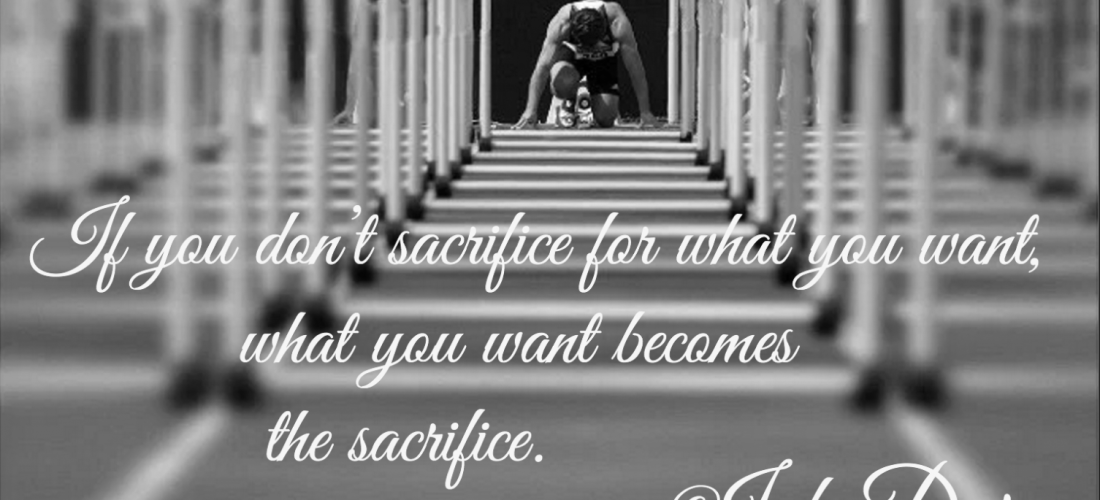
January is always a perfect time to consider change. Now –clean slate in hand– finding ourselves much more open-minded to the passing opportunity of general self-improvement, we can once again acknowledge both just how quickly a year can pass and how little we have to show for choices productive or otherwise in retrospect. It’s not until we are faced by a tangible indication; +10 lbs on the scale; -£10 on a bank statement, do we then wonder where things went downhill and reassess the collective contribution to such a point in time rather than just one big lapse of judgement. The first ‘S’ in setting up for success would be the realisation of what aspects of your ‘downtime’ can be considered absolutely necessary in order to plough through monotony. The potential ‘Sacrifice’ should concern that which may be reassessed as excessive, weighing no positive bearing on your quality of life and quite possibly making it unnecessarily problematic. While this may sound like a contradiction in the sense of suggesting a lifestyle change, whereby an entity offering enjoyment is potentially reduced or replaced, the key lies within volume, moderation and managing future dependancy. Volume in that a particular planned amount of X or Y is adhered to more rigorously, whilst being able to justify said amounts across a specified time frame i.e hourly alcohol consumption, daily caloric goal or total weekly amount spent gambling. Moderation in that a week of excess should be followed by at least two weeks of rest –and digest– reiterating the value of enjoyment without a habitual downward spiral to ill-health. Finally, managing future dependancy; being aware of that which is conducive to become habitual, watching the football at home every other week to cut out a day of drinking, eating a piece of fruit instead of drinking a coffee, avoiding certain places or groups of people likely to corrupt your good intentions –yeah thats a hard one–<<

These cover an array of potentially addictive aspects of ones particular lifestyle; from a single habit considered immediately harmful; smoking, to that which can arguably bring both happiness and malcontent in excess, chocolate. So lets take an average day of both working and sleeping for 8 hours, the remaining 8 being the void between work and pleasure; what makes the previous and following day bearable? Is said downtime condensed into the 48 hours of the weekend? Does a 2 day binge come with the cost of another two days? Ultimately, we are told that everything is potentially harmful in some way shape or form; pollutants in the air, chemicals in our water and now light of unsavoury hormones in the milk that we pour on our Corn Flakes. One may drink whisky, eat red meat and live till the next century whilst another may exercise everyday, avoid gluten, not see their 40’s and vice versa. So where does this leave us in retrospect? Cut out the things we enjoy just to warrant a comfy bed and 4 walls of a retirement home or excessively indulge on the things we would take for granted in years to come just to say that we had ‘lived’?

SACRIFICE- to give up (something valued) for the sake of other considerations.

As we find ourselves in the middle of ‘Dry Jan’ –using alcohol as an example– one may attribute abstinence positively –money saved, energy and health replenished– or negatively –overwhelming boredom and the chronic ‘fear of staying in’– presenting us all with our own realisation of either an urge or now dissonance to our potential vices, one which has taken the turn of a New Year to illuminate. As we have previously mentioned the collective contribution of choices as opposed to a single lapse of judgement, it can be said that both structure and habit are genetically linked in their nature to either assist or pollute our routine. That being said, would it be better then to systematically structure inevitable vices and habits into our routine if they cannot be completely removed initially? Focusing solely on the point to which downtime becomes excessive and ‘benefit’ becomes hindrance. I myself have came to realise that as long as you can make a sufficient contribution to change and self-improvement overall, a systematic application of that which may not be considered constructive, on the odd day, wont be enough to hinder your new positive direction. An example of this could be an attempt to exercise in advance to an inevitable session, planning to be active and outdoors on a hungover day, rather than channelling the sloth.

Being aware of justifying aforementioned choices, making conscious decisions to reduce or remove excessive vices and habits completely, is something that does take time. If we look back 12 months are we sitting in the same position, with the same goals and same barriers distorting our view? In another year could we be potentially closer? Highlighting the problem and making those sacrifices which may not provide us with a somewhat immediate alleviator of stress or a proponent of enjoyment, but may collectively contribute to a better quality of life beyond situational and temporary satisfaction.

JAKEDARCYFITNESS 👊


Bingeing, Sugar Intake and Improving Insulin Sensitivity

Lifestyle

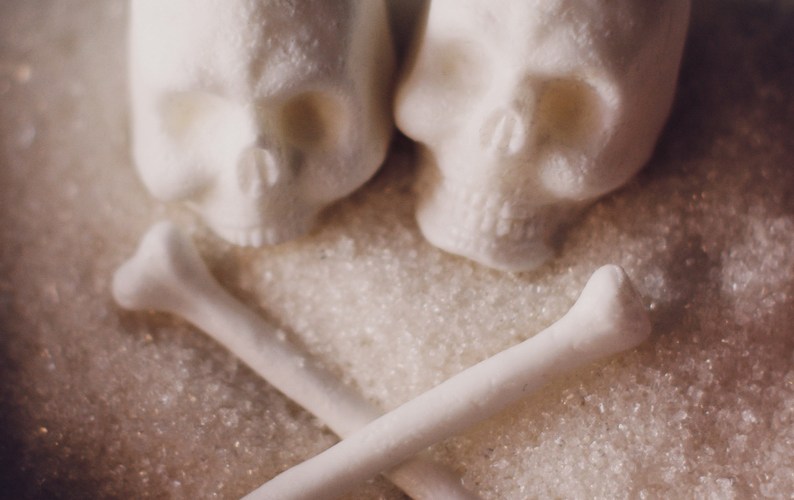
If you ask the majority of people what would be the one thing that they are habitually disposed to and/or often succumb to in excessive amounts, it’s always going to be sugar. Going back to the input/output notion of previous posts concerning fat-loss and weight-gain, overconsumption of sugar even alongside what one may arguably consider ‘regular exercise’ could still disrupt the typical routes to which glucose can be sufficiently absorbed and regulated by the body. These routes being either to the liver or a physically stimulated process which replenishes depleted energy stores in the muscle following sufficient exercise, the stored form of glucose being glycogen. Whether you seem to be blessed with a genetic exemption to snacking on mostly quick energy-releasing sugars as opposed to slow release complex carbohydrates without storing the excess, be aware of how such rationale to certain food choices may often instil an array of problems both short and long term, complimentary to the looming dissonance between energy levels and overall mood. 

For someone that either skips breakfast or has a big hit of sugar early on in the day, such a habit may potentially yield further appetite for the typically ‘bad’ calories, thus cultivating both an irregularity of sound and sustainable energy along with an ever looming malcontent. In terms of justifying said calories following a period of starvation, consider how blood sugar takes a similar route as gravity, in that prolonging a gradual ‘ascension’ phase will only make the latter direction much more of a dive than a gradual decline. If we look at a potential negative of the ‘Juicing Craze’ regardless of whether a smoothie is made up predominantly of nutritionally sound vegetables and greens, most that would happen to incorporate the obvious ‘nicer’ fruits regularly into the equation are oblivious to the averse effect high blood sugar may have on Insulin. Insulin –the hormone secreted by the pancreas–  will attempt to stabilize an excess of glucose in the blood, but alike the receptors which regulate the amount of serotonin in the brain, said pathways become overworked, making their once resounding efficacy redundant over time. Insulin resistance, commonplace for someone diagnosed with medical type I Diabetes, may potentially be a likely prospect for an individual inducing similar symptoms through poor diet and lifestyle, the main precursor to often non-hereditary type II.

‘OK I delve a bit too much on the sugar front now and again but I wouldn’t say its as bad as that!’ Well the amount consumed may not be in the range of pre-diabetes and aforementioned medical illnesses anytime soon, but a slow destructive sequence starting with overconsumption and continuing on to an ultimate guilt fuelled binge is equally important to both identify and thus prevent. In a 24 hour period our moods and energy levels fluctuate in respect of the nature of our environment, they determine the important parameters to which we may work or engage in physical activity, eat and sleep. It is these factors which determine Homeostasis, a physiological equilibrium which can be crucial in stipulating the terms of our body’s susceptibility to lose or conversely gain weight. So apart from the obvious solution of eating less sugar even less frequently throughout the day and considering longer-lasting energy sources, what can be implemented to prevent energy crashes and guilt-fuelled sugar binges?

1. More healthy fats – These will delay a sudden rise in blood glucose when combined with certain carbohydrates. We hear of them all the time; nuts, avocado and Extra Virgin Olive Oil being the staple components of the low carb holy trinity if you like, but there are plenty more that are going to ensure a substantial energy reserve for when fuel/food may be scarce at certain points throughout the day. –going overboard and increasing the number of triglycerides in the bloodstream excessively would make the liver resistant to insulin just like sugar– bringing us on the golden ‘M’ of a healthy and sustainable diet.

2. Less restriction, moderation– Unless a caloric deficit or restriction is necessary to your weight loss program or if sticking to certain foods is the only way to stay on track, don’t stress about the odd lapse of judgement unless you know that it would have a detrimental impact on your progress in toto. Factor in foods that you enjoy when applicable, if you take a mile from the initial inch it may set you back a mile.

3. Less caffeine more water– This is definitely one with great relevance to my typical day. Excessive energy drinks both peaking energy and sapping it completely, increasing the likelihood of headaches and possibly dehydration. Along with suppressing natural appetite to a degree, making a meal or eating window less attractive thus decreasing overall satiety.

4. Eating around and for physical activity– Plan out what parts of the day are going to need more energy and effort than others, whether its an exerting gym session or long shift at work, better caloric distribution will optimise both the energy system and overall mood, making you less temperamental and more productive.

5. Satiety not starvation– As we’ve mentioned those who often justify certain bad food choices with earlier skipping of meals, unsubstantial displacement of calories will only prolong further cravings that end in a food coma or in the fridge at 2am. On the flip side, starvation will only make physical exertion more difficult, increase stress and potentially lower your immune system, so choose your eating habits wisely.

Please follow JAKEDARCYFITNESS if you haven’t already,

I will also be taking on new clients in December for online nutritional coaching and personal training so feel free to contact me at @jakedarcy098@hotmail.co.uk or by direct message. 👊

Desire Time

Poetry

A fictional narrative illustrating the perils of ‘beer-goggles’

Must also include all ten of these words associated with ‘LOVE’

WINE 

SUGAR

BODY

LOVER 

DESIRE

HATE 

HEART

POISON

DATE 

ARSE

Desire time 

Desire time flushed cheeks and wine

a whisky or a gin, a thirst it grew, 

but not for you, that 

face gave me a grin.

desire time flushed cheeks more wine,

a whisky not a gin, on heels rock,

that ragged frock, this is where i will begin…

arms legs arse hips, porks pies and chips,

worn hands, worn face, new bag. 

Stumped teeth of beige, 

for only wine can age

I’d crossed the line a tad.

apology time, standing in line,

cheeks scorched of scarlet sin, 

‘what would one want?’ rather non chalant 

she pointed to her gin.

five whiskeys down, nor sigh or frown,

it’s going rather well, I thought it lame to

ask her name, we’ll just call her Michelle.

I hate to say, though mal portrait

I’m glad that we had met, 

youth body had flown

her heart a stone though still not one regret.

Frantic no more, a date? a pour of whisky,

no more gin, a stumbling toad went down 

the road with a princess or akin. 

Desire time strange taste in wine, 

no chance I’ll sink another, 

a sober thought and now retort , 

she looked like someone’s brother.

Though on the floor, insisting more 

a smell of burning sugar,

 an emerald flash lit her moustache, 

I sip the rancid blubber. 

The mystic horse, with no remorse

tore off my clothes like paper, 

for all the dread, my poisoned head

whirling dervish. rancid. vapour.

Desire time,  sobering paradigm 

for any riggish lover, a boisterous 

haste had tickled my taste for 

Michael. Michelle’s big brother.